How to form the present perfect in English
In this entry we are going to take a look at the present perfect.
There is a lot to say on this tense, so consider this a simple introduction on how to form the tense.
Subject + have / has + past participle
For negative sentences, simply add “not” after “have” or “has”.
When speaking we usually use the contractions, as follows:
The negative contractions are as follows:
For questions we simply change the order of the subject and have/has. So…
Have / has + subject + past particple ?
The good news is that most English verbs are REGULAR! For these, we simply add -ed to the end of the verb (worked, wanted, washed)
The bad news is that the most common English verbs are usually IRREGULAR! (been, done, lost, found, written, read, bought)
We will look at this in more depth later in the blog, but generally, we use the present perfect in English when the action happened in the past, but has a result NOW. Look at these examples:

Owner of OLA Online Language Academy
★Degree in French (University of Kent at Canterbury)
★DELE Superior (Spanish) (Instituto Cervantes, Leeds)
★TEFL (Teaching English as a Foreign Language) (i-to-i.com)
 In order to v So that v To
 5 Slang Expressions in English Grammar
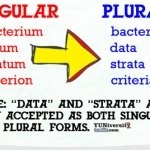 Ode to an English plural
 The Difference Between As v Like
Call now for more information!
ola.academy
Follow us